Is Lightspeed Trading Safe?
Lightspeed Trading is a brokerage firm geared largely toward active and professional traders. In addition to brokerage services, Lightspeed offers a broad range of trading platforms, tools, and services intended to help traders execute and manage their strategies efficiently.
Is Lightspeed Trading safe to use? Is the company trustworthy? Let’s take a closer look.
Is Lightspeed Trading Legitimate?
Several important factors can help determine whether Lightspeed is a legitimate and trustworthy broker. Its registration with financial regulators, protections for customer assets, and feedback from existing customers are useful areas to examine when evaluating the firm.
Lightspeed Financial Services Group LLC is registered with the Securities and Exchange Commission (SEC) as a broker-dealer and is a member of the Financial Industry Regulatory Authority (FINRA).
The SEC is an independent agency of the U.S. government charged with protecting investors, promoting fair and orderly securities markets, and facilitating capital formation. FINRA is a not-for-profit self-regulatory organization that regulates its member brokerage firms and registered representatives while operating under SEC oversight.
Although the SEC and FINRA serve different roles within the financial system, both establish and enforce requirements that regulated brokerage firms are expected to follow.
Is Lightspeed Trading Insured?
As part of its customer asset protections, Lightspeed Financial Services Group LLC is a member of SIPC. SIPC protection can apply when a member brokerage fails and securities or cash belonging to customers are missing. The coverage does not reimburse investors for losses caused by falling market prices or unsuccessful investments.
SIPC coverage protects eligible securities and cash held in a brokerage account up to $500,000, including up to $250,000 for cash. Lightspeed customer accounts carried by Wedbush are also covered by excess SIPC protection.
Better Business Bureau Ratings and Reviews
The Better Business Bureau (BBB) can be useful for reviewing complaints and customer experiences, although the amount of customer-feedback information available for Lightspeed Trading is fairly limited.
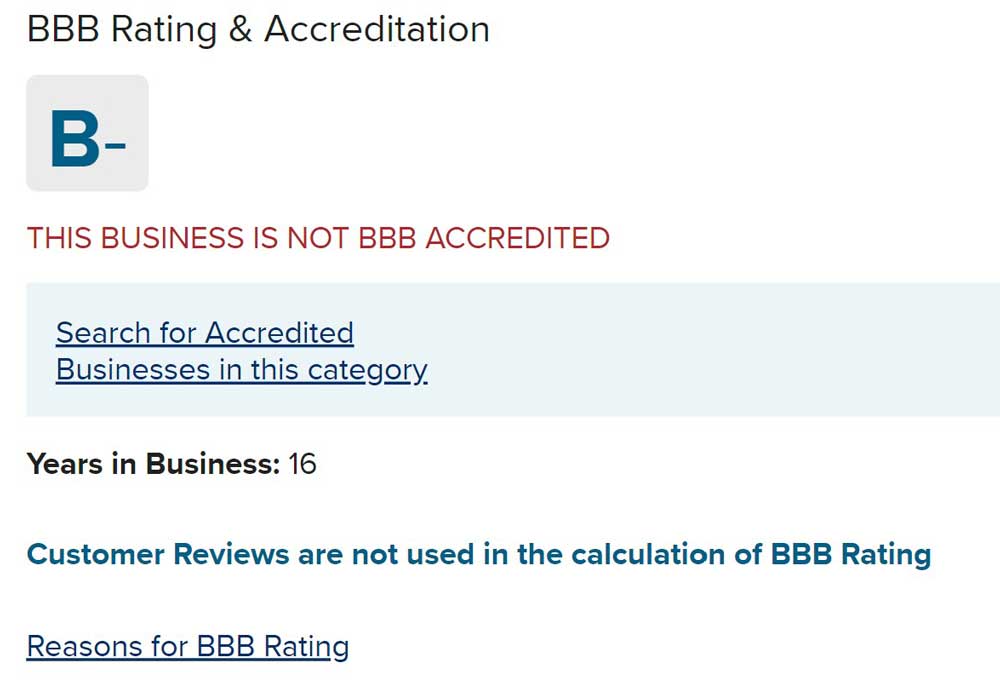
The Better Business Bureau currently assigns the broker a B- rating, and Lightspeed is not BBB accredited. Accreditation is separate from a BBB rating and requires a business to apply and meet the organization’s standards.
Top Competitors
Trustpilot Reviews
Trustpilot reviews offer another look at customers’ experiences with Lightspeed, although the available sample is still quite small at just 13 reviews.
Customer opinions are divided. Approximately 46% of the reviews give Lightspeed five stars, while 38% give it one star. Favorable reviews highlight features such as quick trade execution, helpful customer support, Level II market data, and functionality aimed at active traders.
Because the number of reviews is limited, the feedback ranges from enthusiastic comments about Lightspeed’s professional-grade trading capabilities to criticism involving fees, support, and problems with the trading platform.
Lightspeed Overview
Lightspeed Financial Services Group is registered with the SEC and is a member of FINRA and SIPC, establishing that Lightspeed is a legitimate, regulated U.S. brokerage firm rather than a scam.
Below are several of the broker’s more important features to consider when deciding whether Lightspeed fits your trading needs.
Available Securities
Lightspeed provides access to stocks, ETFs, options, and futures.
Costs and Fees
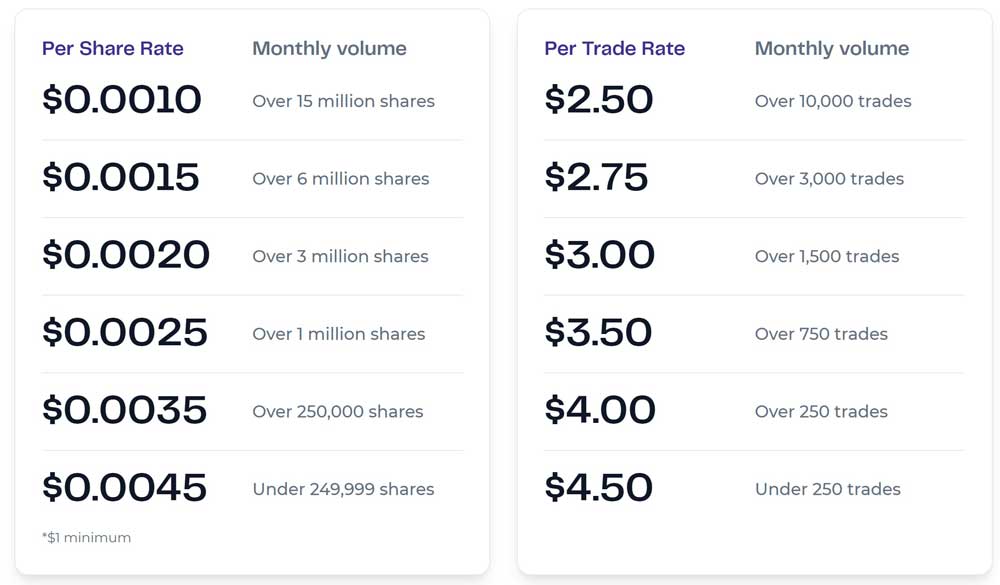
Lightspeed reserves its lowest stock and options commission schedules for customers who generate significant monthly trading volume. Equity and options commission rates generally become cheaper at higher volume levels, while margin interest rates vary according to the amount of the margin debit balance. Active Trader pricing is not activated automatically after a trader crosses a volume threshold; the customer must contact Lightspeed and request the lower rate.
Platforms and Trading Tools
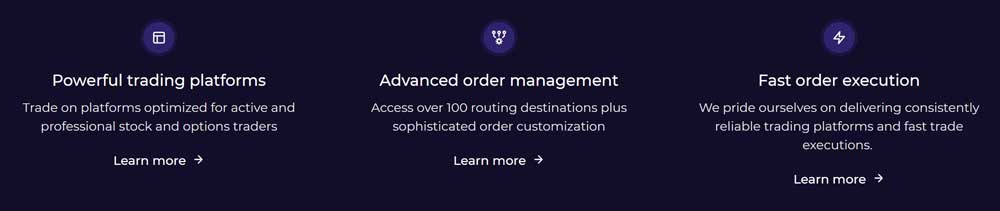
One of Lightspeed’s distinguishing features is its extensive selection of trading platforms. The available software is focused mainly on active traders, professional traders, hedge funds, and institutional customers.
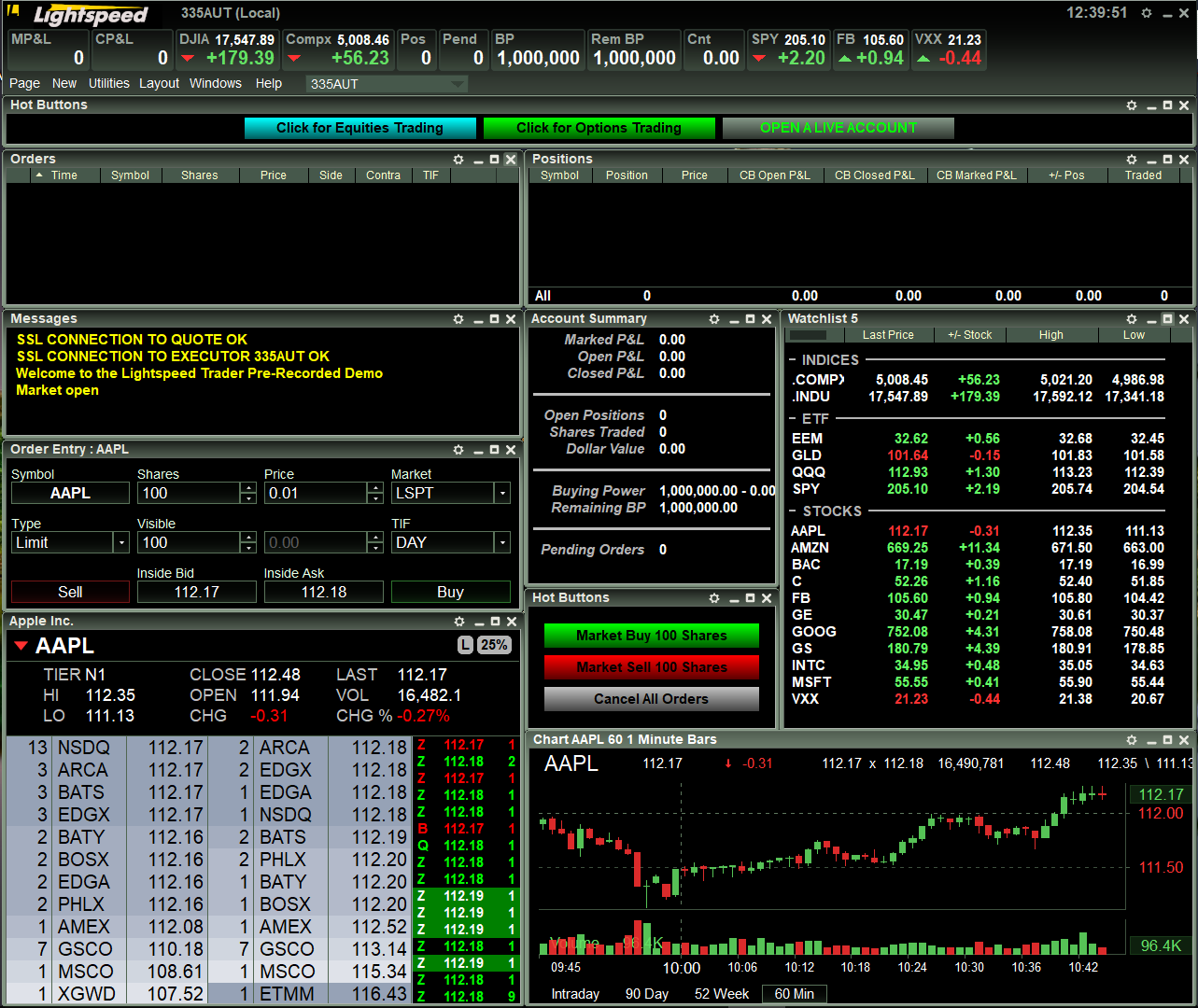
Lightspeed Trader Pro: Lightspeed’s flagship platform is highly customizable and includes multi-asset trading capabilities, programmable hotkeys, sophisticated order-routing functionality, and numerous other professional trading tools. The monthly software charge is up to $130, with commissions generated during the month deducted from the software fee.
Lightspeed Web & Mobile: The broker’s web and mobile offering lets customers trade through a browser or mobile device without paying a monthly software fee. Lightspeed’s platform comparison includes complex options trading, Level II quotes, conditional orders, hotkey order entry, customizable routing, and customizable charts among its supported features. The account minimum is $5,000.
Sterling Trader Pro: Sterling Trader Pro is another professional-level trading platform available through Lightspeed. The software runs on Windows systems and includes sophisticated order-entry, Level II, charting, hotkey, and trading functionality. The cost is $240 per month plus market data fees, with an additional $30 monthly charge for the options module and a $25,000 account minimum.
Sterling Vol Trader: Sterling Vol Trader is an advanced platform built around specialized options and risk-management functionality. Features such as voice controls, sophisticated risk analysis, and a streamlined ‘concept to order ticket’ process make the platform particularly useful for professional and institutional traders. The cost is $600/month, with a $25,000 account minimum.
Eze EMS Pro/Eze EMS Express: Eze EMS is a sophisticated trading system that provides multi-account and multi-asset functionality through a single login. Eze EMS Pro costs $375/month, while Eze EMS Express costs $155/month. The account minimum is $25,000.
Lightspeed Trading Pros
Some of the biggest advantages and disadvantages of trading through Lightspeed are listed below.
- Direct-access order routing
- Wide selection of trading platforms
- Multiple types of tradable securities
- Discounted commissions for high-volume traders
Lightspeed Trading Cons
- Many advanced trading platforms require monthly subscription fees
- Some traders may consider the platform account minimums ($5,000-$25,000) relatively high
Recommendations
Because Lightspeed is a legitimate and regulated brokerage firm, the more important question for prospective customers is what type of trader is most likely to benefit from its services.
Lightspeed is best suited to active traders who place a high priority on fast, dependable trade execution. Direct-access routing, programmable hotkeys, and access to stocks, ETFs, options, and futures make the brokerage particularly useful for many day traders. Its professional trading systems can also appeal to investors managing substantial portfolios, professional portfolio managers, and institutional customers.
Individual retail investors and customers seeking lower-cost trading can still use Lightspeed’s platforms and services, but the brokerage is principally structured around the requirements of frequent, active, and professional traders.
Written by Alex Bost
Updated on 8/29/2026.
|